Germany entry rules
Visa, documents, customs, transit and transport — short and to the point.
Visa
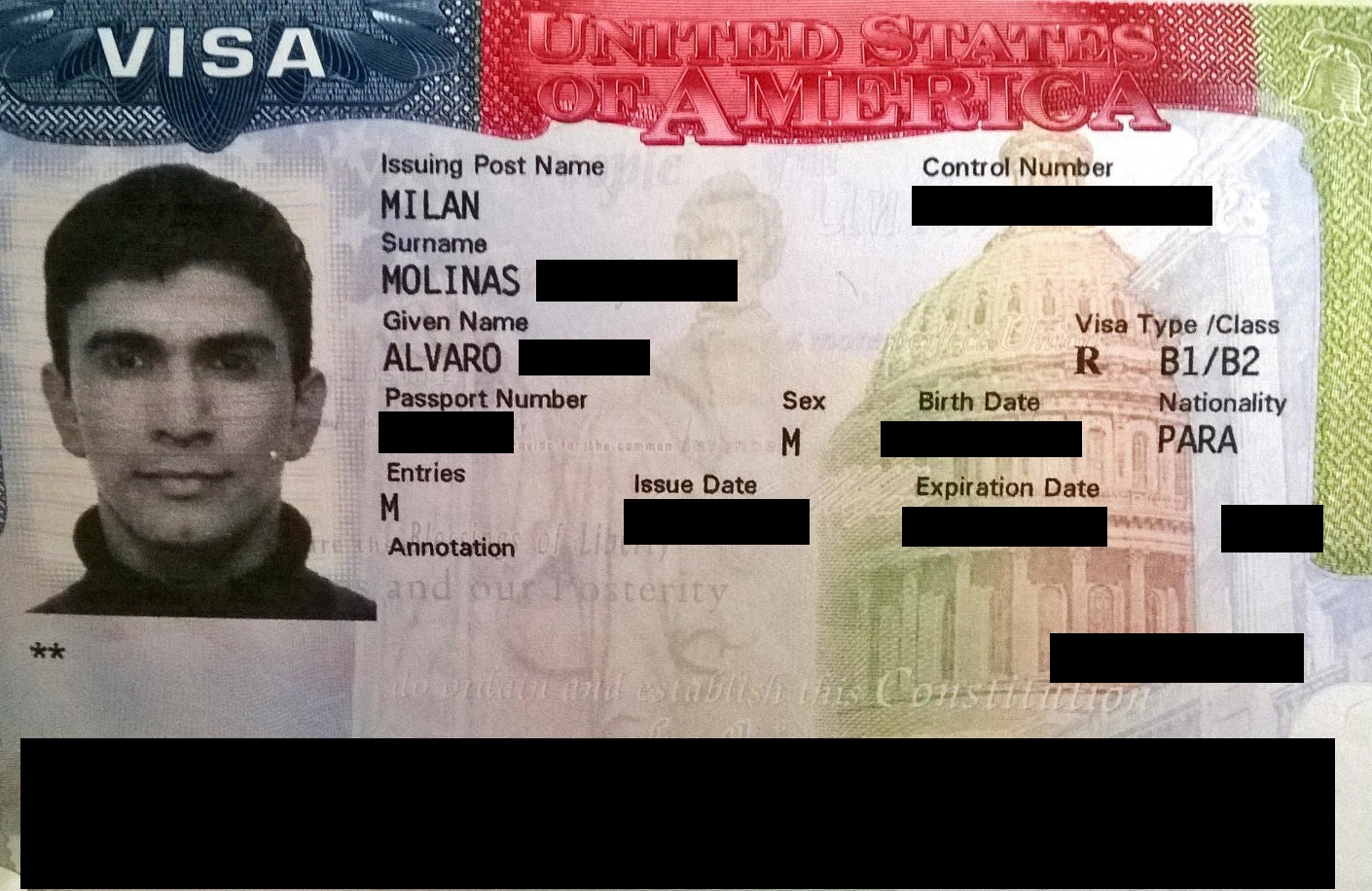
Russian citizens need a Schengen type C short-stay visa (up to 90 days within 180) to visit Germany. There is no visa-free entry.
Apply at a German visa centre or consulate. Biometrics (fingerprints) and a document package are required. Processing takes 15+ days — apply early. A Schengen visa also lets you visit other countries in the zone.
Entry documents
At the border you may be asked for:
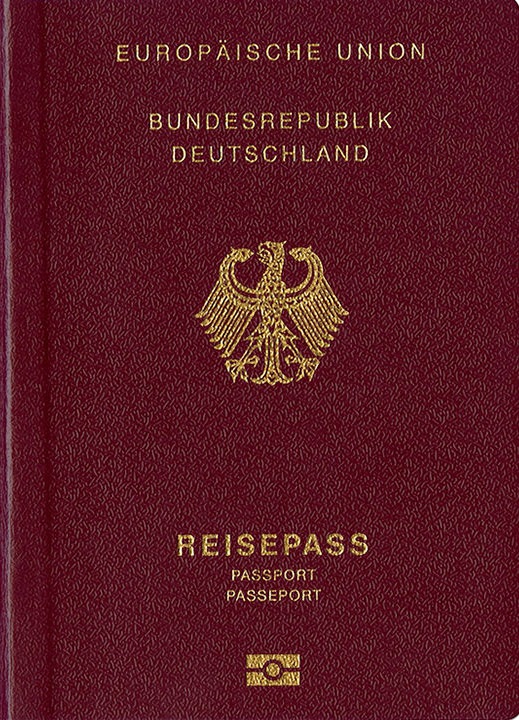
- a passport (valid ≥3 months beyond departure, issued within the last 10 years);
- the visa;
- travel medical insurance covering at least €30,000;
- proof of accommodation — a hotel booking or invitation;
- return tickets;
- proof of funds — roughly €45 per day.
Keep printouts of all bookings handy.
Travelling with a child
A child must have their own passport. If a child travels with one parent or without parents, a notarised consent from the absent parent(s), with translation, is usually required.
Bring the birth certificate (and a translation). A separate document package is submitted for the child’s visa.

Transit rules
There are no direct flights, so you almost always fly with a connection in a third country (Istanbul, Dubai, Belgrade, Yerevan, etc.).
For a layover within the Schengen area, no separate transit visa is needed if you hold a Schengen visa. For transit through a third country, check that country’s rules in advance.
Bank cards
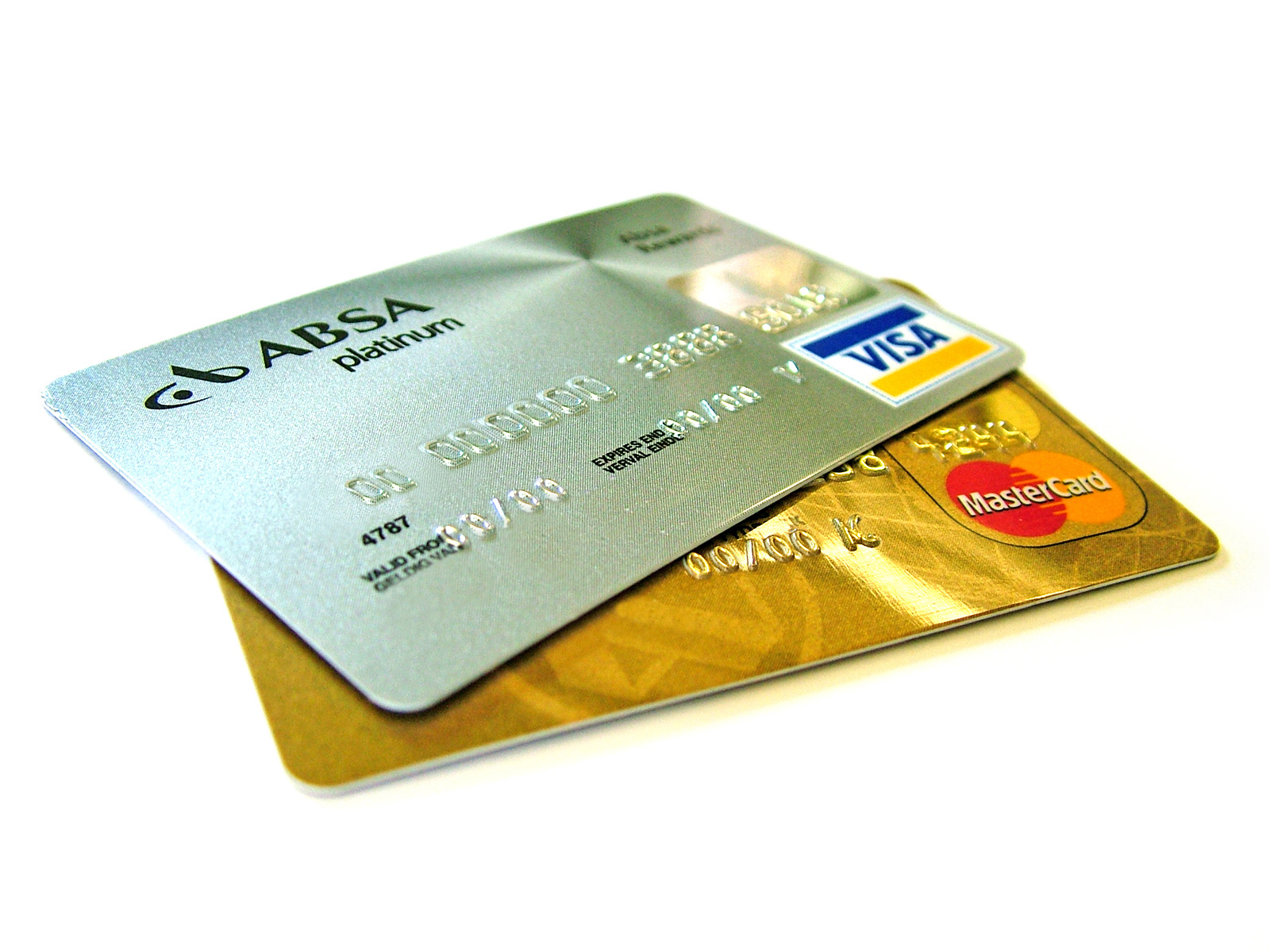
Cards from Russian banks (Visa, Mastercard) do not work abroad, and Mir is not accepted in Germany. Bring euros in cash or a card issued by a bank in another country.
Apple Pay and Google Pay from Russian banks also don’t work abroad. Card payment is increasingly common in Germany, but cash is handy in cafes and markets.
Customs limits
The essentials when crossing the border:
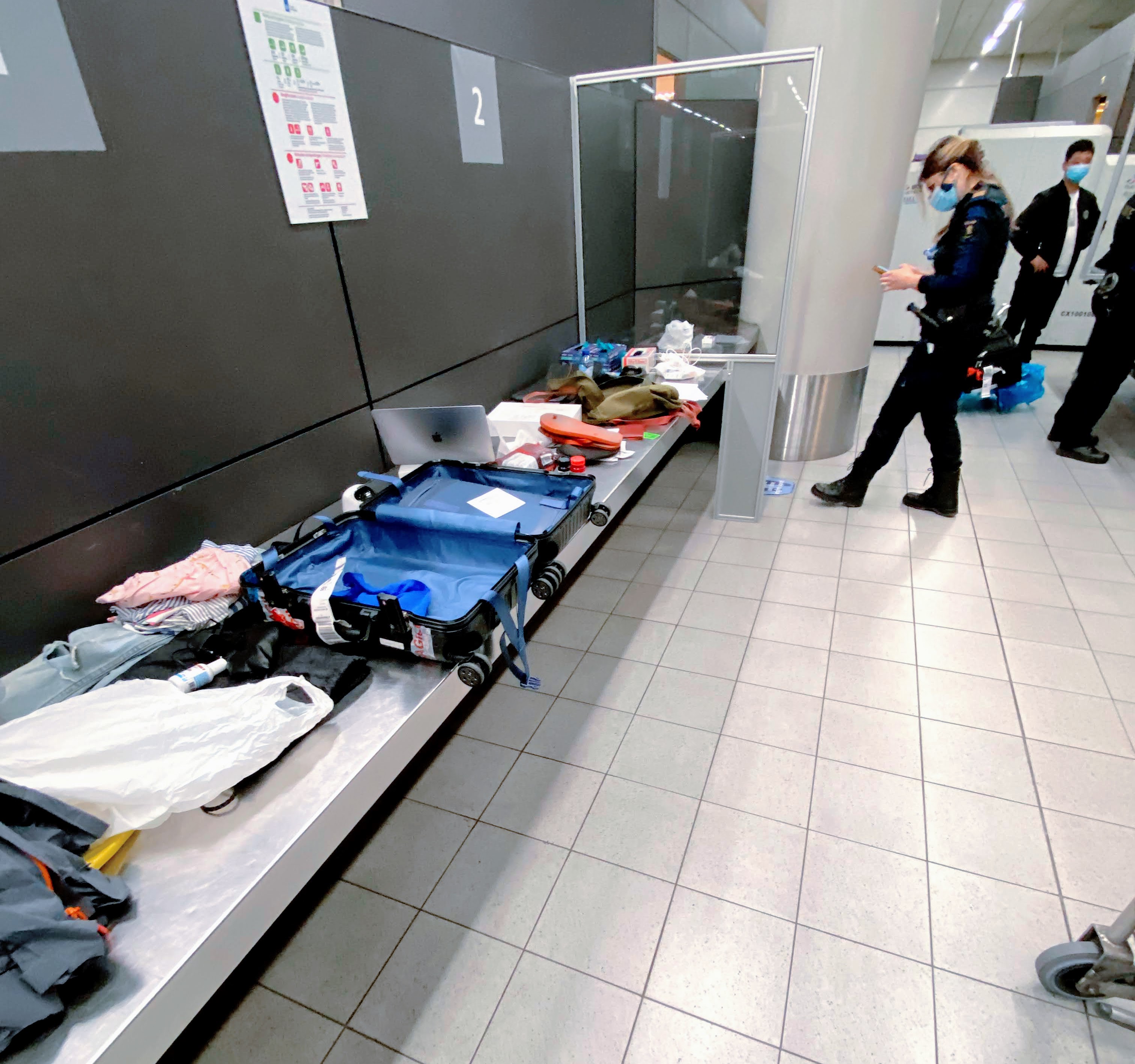
- Cash of €10,000 or more (or equivalent) must be declared.
- Goods for personal use duty-free: up to €430 (air/sea), up to €300 (land).
- Alcohol: 1 L of spirits (over 22%) or 2 L up to 22%, plus 4 L of wine and 16 L of beer.
- Tobacco: 200 cigarettes.
- Not allowed: meat and dairy products from non-EU countries (including Russia).
- Medicines for personal use are allowed.
Transport
There is no direct air service between Russia and Germany. Travellers connect via Istanbul, Dubai, Belgrade, Yerevan, Baku and other hubs. An alternative is by train or bus through neighbouring EU countries.
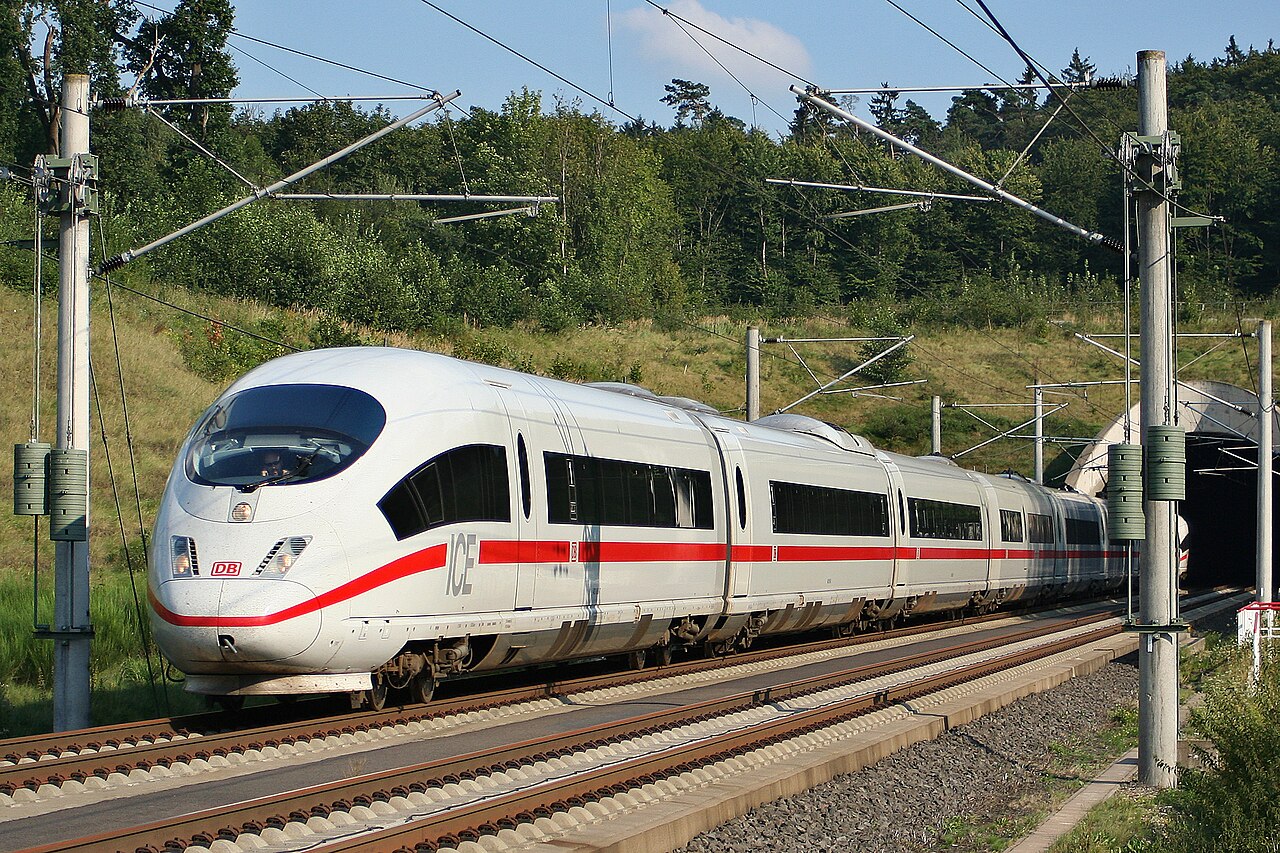
Within Germany, Deutsche Bahn trains (high-speed ICE) and the Deutschlandticket pass are convenient.
This is reference information and may change. Before you travel, check official sources: the German consulate and customs (zoll.de).